What is it with Zombies?
The numbers are impressive. Search “zombie” on Amazon and you get 323,658 results, starting with 23,476 for books, 2,940 for movies and TV, 896 for “zombie survival kit,” and 3,526 for “zombie weapons.” Zombie weapons?1
When and where did zombies take over popular culture? Witches, ogres, vampires and other flesh-eating spirits go back to our earliest myths and legends. Zombies, however, seem to be a twentieth-century invention. A quick search shows few zombie hits before the release of George A. Romero’s 1968 film, Night of the Living Dead. Romero took an unburied dead (night-walker) crossed it with a vampire (bloodsucker) to create a night-walking bloodsucker. Several sequels later we arrive at Return of the Living Dead. In this movie, zombies have evolved to want more than blood, they now crave their favorite food – the brain! Zombies are losing their sleepwalking traits, becoming smarter, stronger, more agile, and more cunning than their human prey. And they hunt in packs!

Pride and Prejudice and Zombies
“It is a truth universally acknowledged that a zombie in possession of brains must be in want of more brains.”
Finally, as zombies overwhelm society, we arrive at a zombie apocalypse, a full-out social collapse (Walking Dead, 28 Days Later, Zone One). Worst-case scenario occurs when pockets of unaffected humans survive in protected sites, venturing out to forage for food and water, while civilization has collapsed around them.
Tongue in cheek abounds. The Centers for Disease Control and Prevention produced Preparedness 101: Zombie Apocalypse, a survival manual, because – if you are prepared for zombies, you are prepared for anything! The Weather Channel produced How To Weather the Zombie Apocalypse, which addresses zombie survival issues such as – how might temperature changes, floods, tornadoes, lightning, and thunder affect zombies? The answers might surprise you.2
What would a zombie do in a tornado? Would it instinctively know to seek shelter?
Is there a zombie brand? Let’s review the criteria.
1. What does the zombie brand do that no other brand can match? Does the brand have a clearly defined skill set? Does the brand deliver a unique promise of value?
- Zombies have good survival skills, no pun intended. They are good at smelling blood, good at provisioning (by spreading contagion to create new food sources), and good at putting up with challenging market conditions. Like being undead. Zombies seem to be adaptable to changing market conditions, which gives them market advantage over their competition.
- Zombies do one thing better than anyone else. They eat brains. Day in, day out.
- They can shape shift on a dime and turn hideous to hilarious. See Michael Jackson, Thriller.
2. What do customers want from zombies, and does the brand consistently deliver?
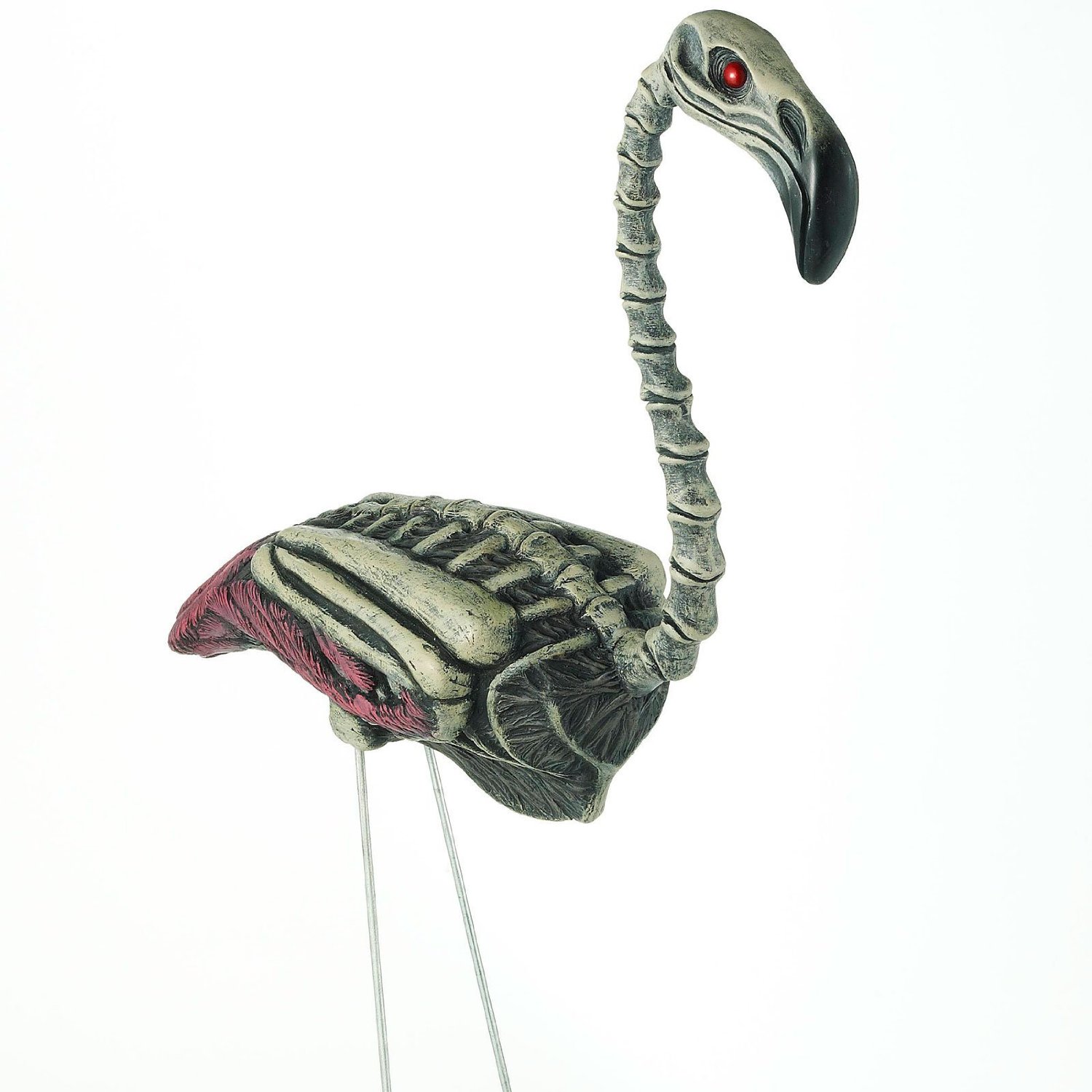
- Zombies consistently fulfill all your home entertainment needs, and more. From books to costumes, movies to lunch boxes, apps to lawn decor (zombie flamingoes), zombies fill the bill.
- Market saturation appears unlikely. Consumer interest continues to generate new, exciting, and innovative uses for the zombie brand. Demand appears immune to demographic challenges.
- The brand delivers a great experience and value remains strong. Add a zombie to your brand experience and watch it go viral!
3. Is the zombie brand constant, always visible to its target audience?
- Zombies are a constant in our lives. Our world is their market.
- Recognizable as once human, deceased yet undead, zombies occupy a unique market niche. Thus, brand confusion is a no-brainer. You know one when you see one. Brand constancy is a given.
- Zombies are unencumbered by pop culture fads or tabloid sagas. Vampire lovers come and go, but zombies remain ageless. Forever.
- The intangible sum of a zombie’s attributes (appearance, existence, appetite, and personality) remain consistent over time. Brand interest may wax and wane but the brand itself retains consumers’ trust.
1 ^For theories about the origin of the word “zombie” check out this Zombie entry at Wikipedia.
2 ^“CDC does not know of a virus or condition that would reanimate the dead (or one that would present zombie-like symptoms),” wrote agency spokesman David Daigle in an email to The Huffington Post. Zombie Apocalypse Huffington Post.
 Design | Tarrytown
Fabulous and funny perspective with real branding insight !